
All quotations are from an interview with Michelle Grabner conducted by Leif Huron in September 2024.
The Poor Farm Experiment is a rural outpost of artistic and intellectual activity, a spartan refuge, and an off-center incubator for creative exploration. Located in Little Wolf, a small town in the Fox River Valley, each summer it welcomes solitary artists, small groups of artistic collaborators, and students into a revolving community that is largely self-defined.
The Poor Farm Experiment (PFE) resists definition and sets almost no expectations. Unlike many artist residency programs, there is no requirement to teach or lecture or exhibit. It simply offers space, time, quiet, and the potential for deep engagement with other artists within the grim history of its rural setting: the former Waupaca County Poor Farm, where indigent, elderly, disabled, and mentally ill people were sent to work for their keep.
The PFE doesn’t advertise or require formal applications; like most of the artists who spend time there, photographer Leif Huron learned about it through word of mouth. He describes the experience as a “metaphorical campfire, where individuals are drawn to gather, share time, have quiet reflection, and be in dialogue to generate new ideas, laugh, and experience community … There’s a lot of trust involved, it’s a relationship built on trust.”
Its founders, Michelle Grabner and Brad Killam, visit regularly, and the schedule is maintained by Mark Jeffery and Kelly Kaczynski, Grabner’s colleagues from the School of the Art Institute in Chicago. There are structured aspects of the PFE: Jeffery and Kaczynski bring their seminar classes to PFE and direct an ongoing group residency that they call “Living Within the Play,” and their exhibition projects, which are installed in early summer, stay up until the unheated building must be closed for the winter.
The level of activity fluctuates from year to year. Not wanting to be bound by the expectations of outside funders, Grabner and Killam have kept the PFE going with their own money and a staunch supporter’s generous annual gift. “The Poor Farm will continue to simmer and evolve slowly,” Grabner says. “[It’s] defined by its scale and rawness so it’s very seasonal. Sure, hopefully we’ll get new windows – but no windfall is coming, [we’re] not chasing a windfall. The time spent there is an opportunity to take a moment to breathe, to go back to your work.”
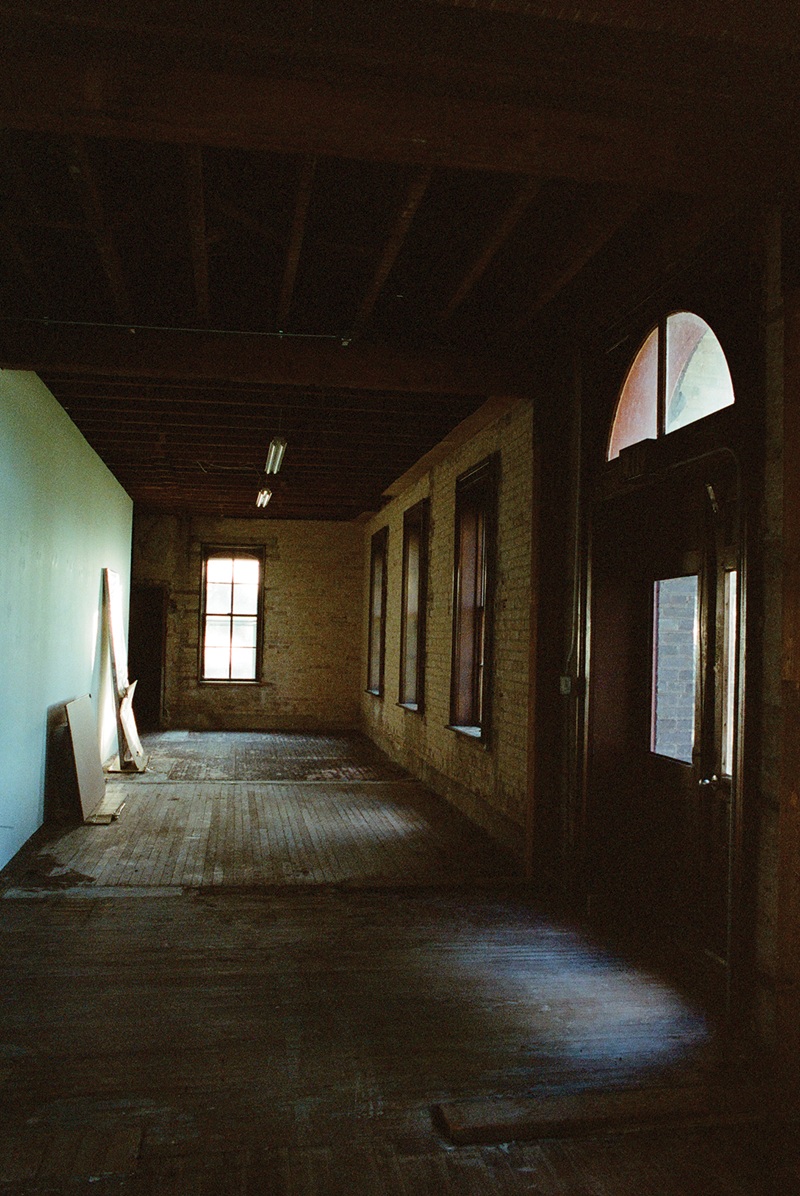
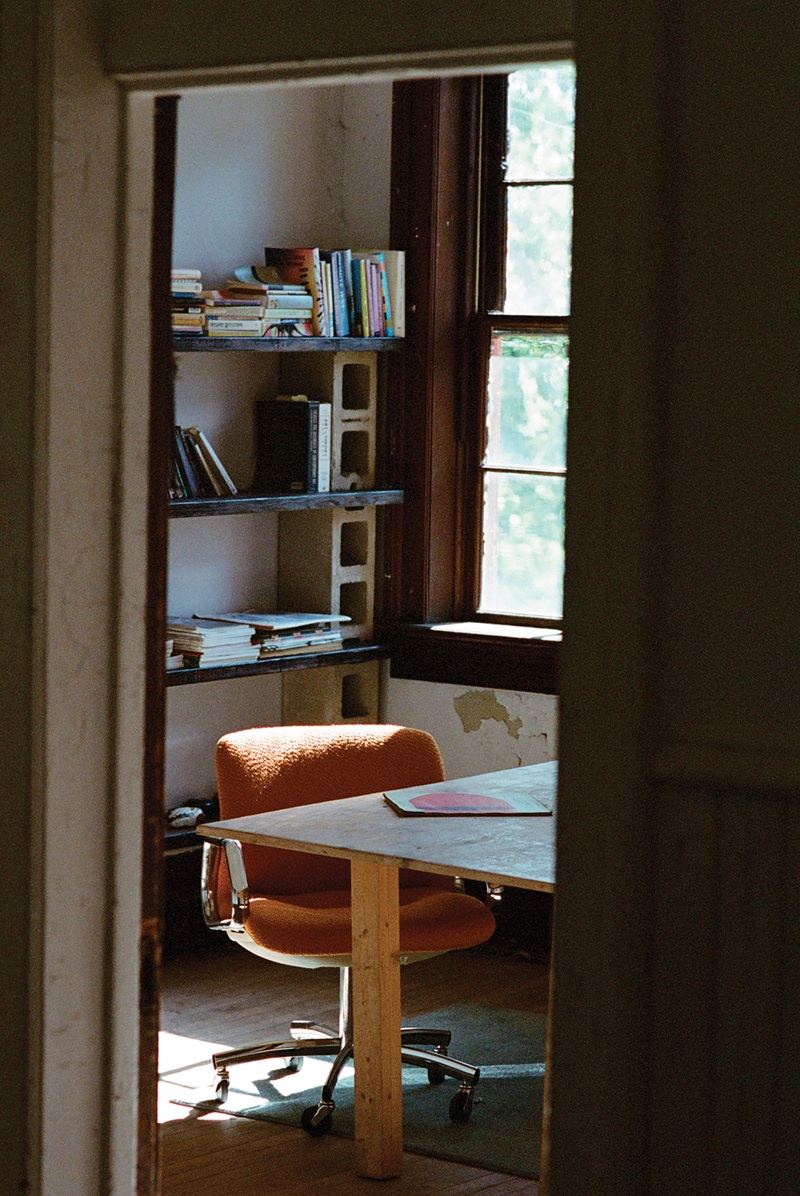
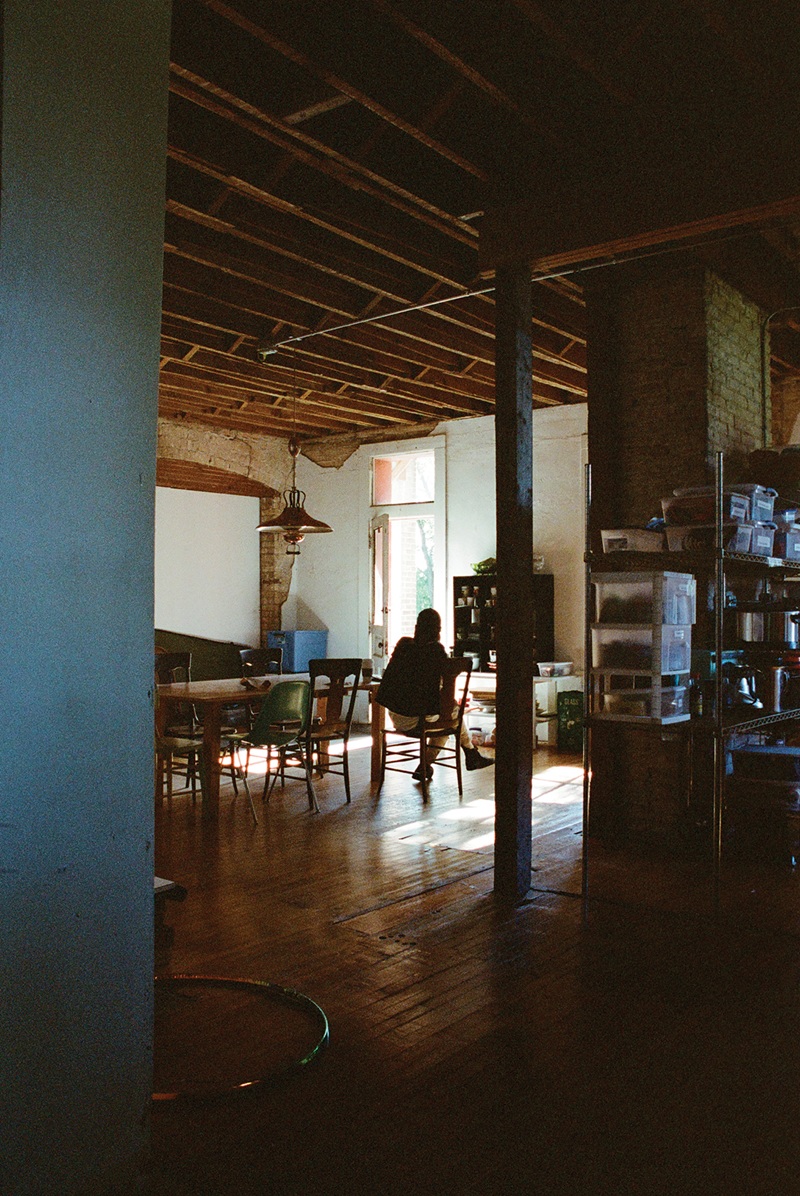
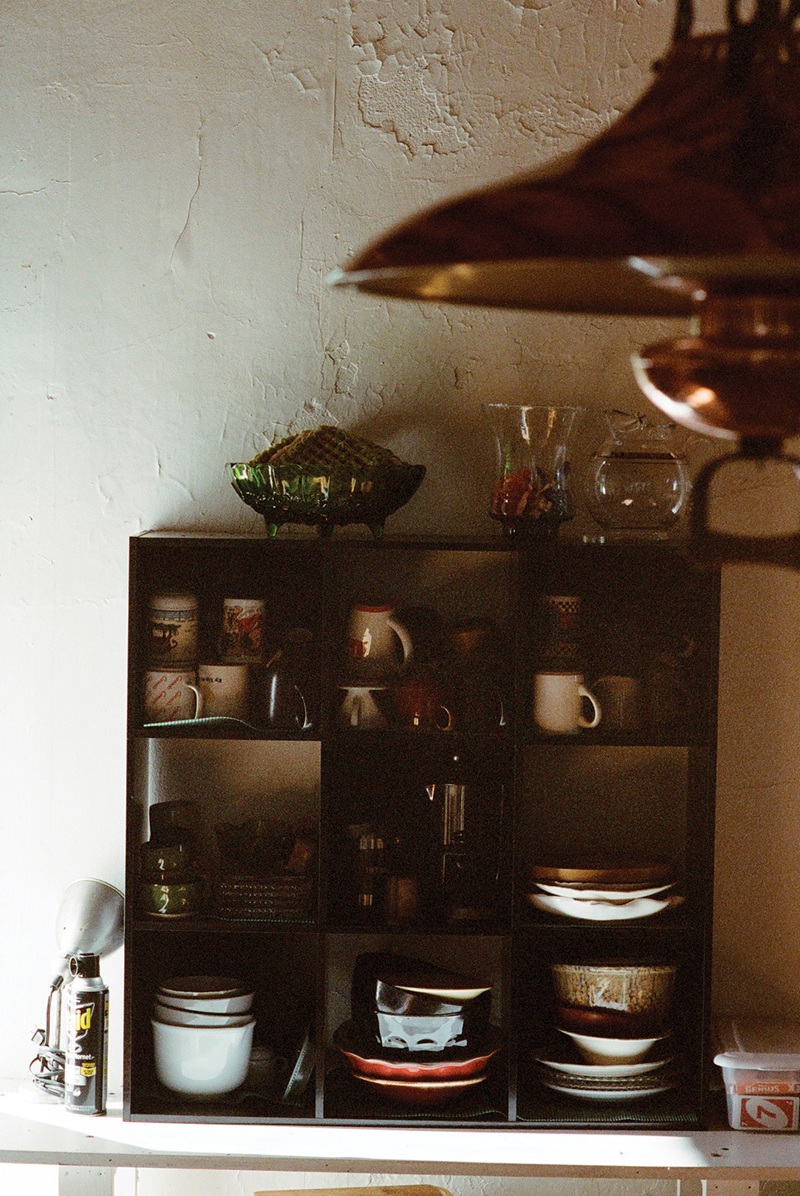
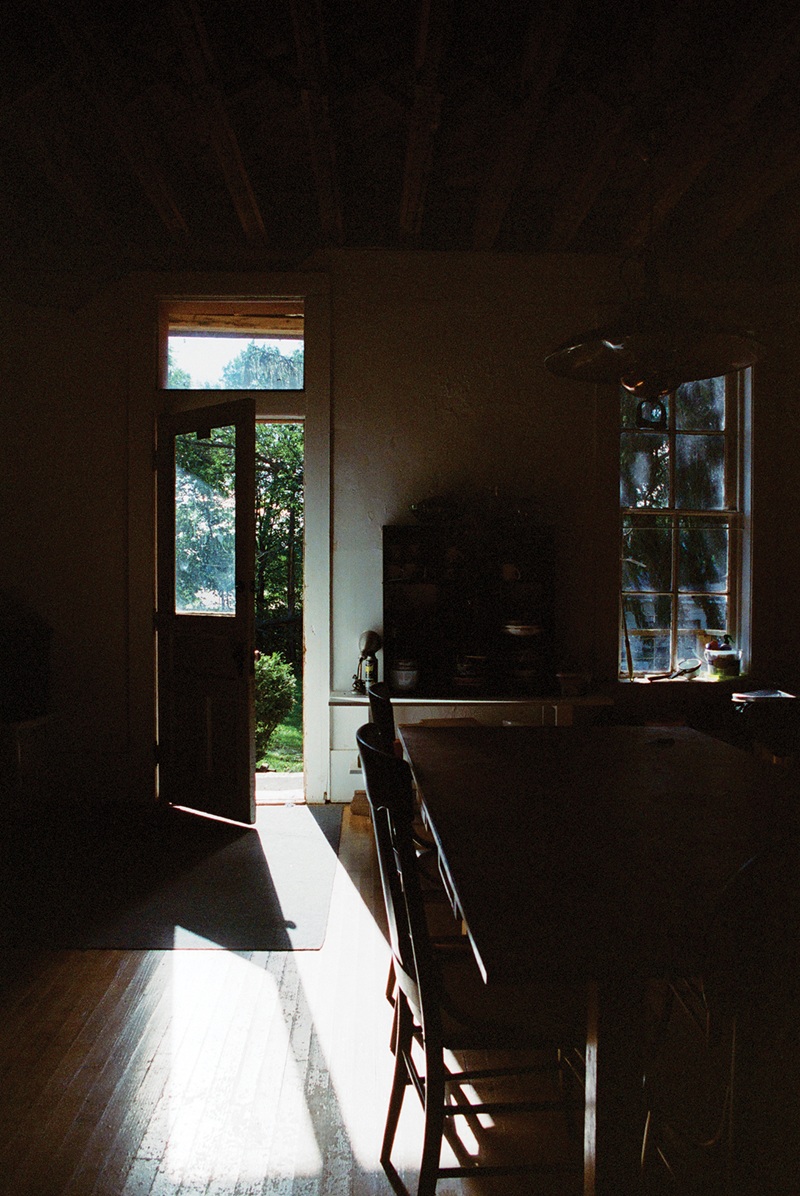
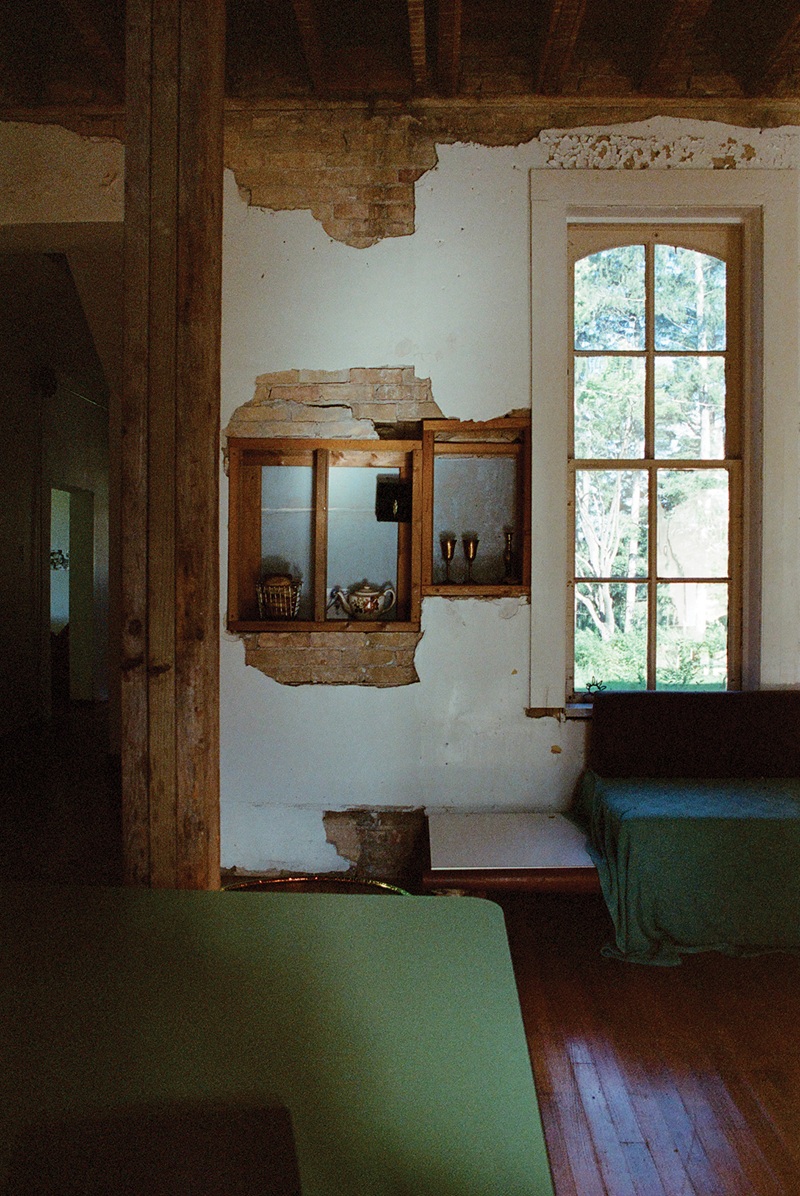
Huron’s photographs capture the spare beauty of the Poor Farm’s unadorned architecture and the provisional, playful feeling of the interior today. They also hint at its troubling past. Leaving the space unfinished wasn’t just a financial decision for Grabner and Killam. They hope the Poor Farm Experiment can bear witness to the many souls who toiled and died there. Being sent to a county poor farm meant surrendering any goods or money you still held and losing the right to control your labor, to move freely, and even the right to vote. It was a place of last resort, as evidenced by the cemetery on site. In making the remnants of this dark history plainly visible, the PFE is a gesture of atonement. It deliberately centers self-generated projects with undetermined outcomes, offering artists the freedom and spaciousness its former inhabitants were denied.

Michelle Grabner
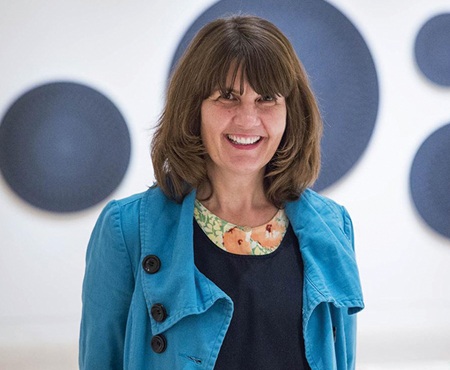
Michelle Grabner is an Academy Fellow (2024) and a Wisconsin artist, writer, and curator committed to her Wisconsin origins. She works in multiple media and draws on the meditative nature of patterns found in everyday objects, unseen labor, and domestic life. She runs two spaces in Wisconsin as experimental incubators for contemporary art and artists. Grabner is a 2021 Guggenheim Fellow and the chair of the Painting and Drawing Department at the School of the Art Institute of Chicago. Learn more about the Poor Farm at www.poorfarmexperiment.org.