
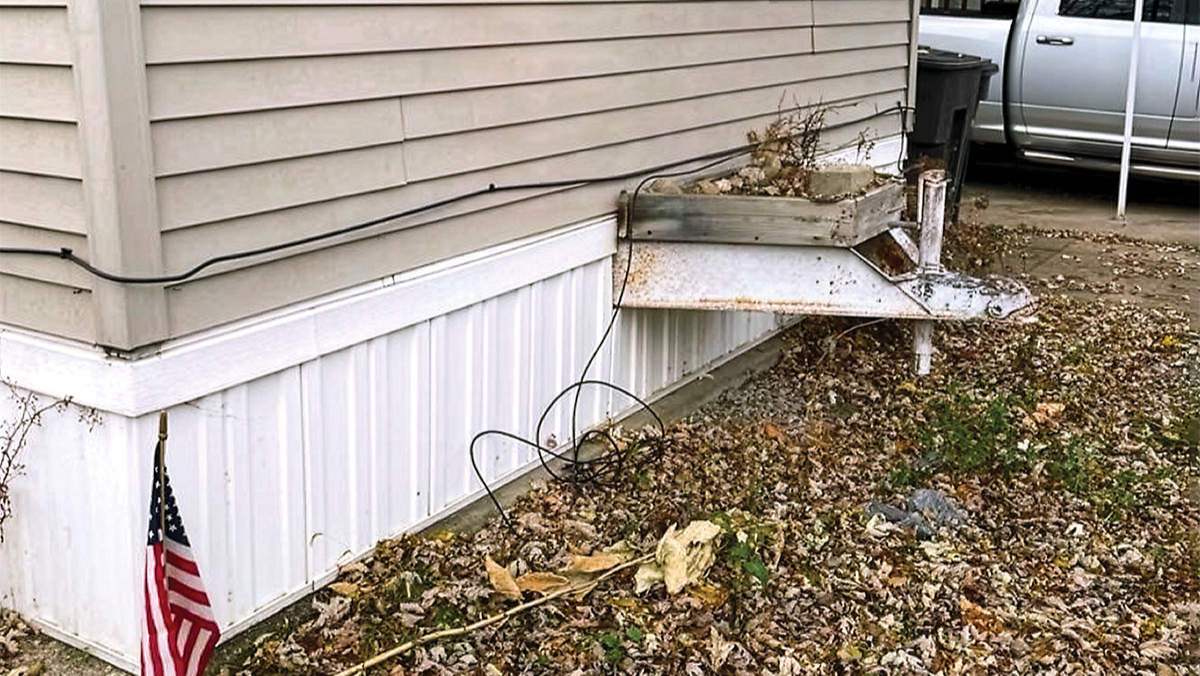
Rural housing in Wisconsin is as diverse as the landscapes of the state and the people who live in it. Policy and design discourse tend to focus on cities, looking at housing in terms of population density, access to public transportation, and affordability in metropolitan areas. Too often, rural living exists at the margin of public imagination, and nostalgic representations of rural areas often portray the homes as homogenous – made up of traditional red barns with farmhouses standing against the backdrop of rolling fields. These representations obscure the complexity of rural housing landscapes, which encompass a spectrum of housing forms. Among them, and most frequently overlooked despite their importance to rural communities, are manufactured homes.
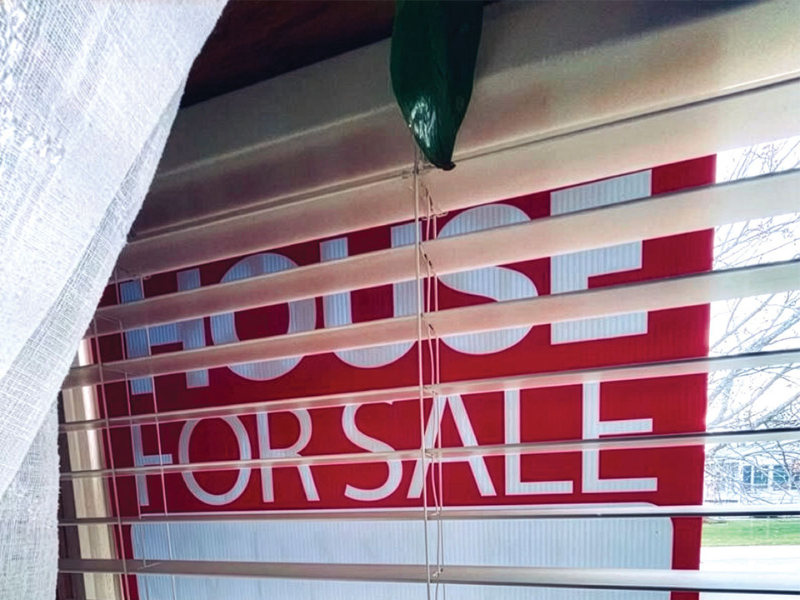
Manufactured homes, commonly known as mobile homes, are the largest source of affordable, unsubsidized housing in the United States. Unlike traditional homes, manufactured homes are assembled in factories. This process keeps construction costs low and makes manufactured homes an important source of affordable housing for vulnerable households. Over half of manufactured home residents live in rural areas, where manufactured housing accounts for 15% of all housing stock and access to affordable housing options is often limited.
According to the Consumer Finance Protection Bureau, as of 2022, approximately 3.2 million adults aged 60 and older lived in manufactured homes. Over 15% of rural residents living with a disability live in mobile homes.
While these homes may be cost-effective to build, once they’re installed, they can be expensive to move, meaning the term mobile home is misleading. Unlike manufactured homes of the 1950s, which were similar to today’s recreational vehicles, modern manufactured homes are far more difficult to move. Relocations typically require specialized equipment and professional movers. Moves carry a high risk of structural damage, which is why only one percent of manufactured homes are moved after their initial placement.
Owners of manufactured homes face a unique vulnerability because they typically own their homes but rent the land beneath them. This owner-tenant model carries potential risks, including rent hikes, enforcement of arbitrary rules, and displacement if the land is sold or the park is redeveloped or closed. In Wisconsin, state laws offer little protection for these residents, leaving them vulnerable to the decisions of the landowners. This creates significant housing insecurity for thousands who rely on manufactured homes as their primary source of affordable housing.
Johanna is a 65 year-old retired high school teacher who lives in a manufactured home community located on the eastern side of Washburn County in northern Wisconsin. On a Saturday afternoon, she strolls through her park pointing out who lives in which manufactured home along the four quiet streets. After fifteen years in the park, Johanna knows everyone. She describes how neighbors share resources, watch out for each other’s children and pets, and gather for summer barbecues and Packers games.
Her home sits on the southern edge of the park, where tulips line its perimeter, their colors bright against the weathered white of her home’s exterior. “I love gardening,” Johanna says as we walk up to her house. “It helps me forget my worries.” She invites me inside to show me all the remodeling she has done to the unit. She describes her home as “a fixer-upper” and has spent her life savings from four decades of teaching to remodel it. She did all the work herself, including painting, replacing her windows and roof, handcrafting kitchen cabinets from her favorite wood, and building a patio where she enjoys spending summer afternoons with her daughter and baby grandson. The park where her home sits has recently been put up for sale and she is worriee about her ability to keep it. “Knowing this home as well as I do, I can tell you that it wouldn’t withstand the move,” she says. “Even with all the fixes I have made, it wouldn’t survive intact.”
A Growing Threat to Keeping Home
Manufactured-home parks have become a lucrative investment for private equity firms. These businesses use pooled money from investors to buy and manage properties for profit. Manufactured-home parks appeal to investors because they offer stable cash flows and meet the growing demand for affordable housing, while costing less to maintain and operate than traditional housing units.
When ownership transitions to corporate investors, residents face uncertainties such as lot rent increases, which can fuel fear and deepen feelings of marginalization among residents, as decisions about their homes are made by distant entities with little understanding of community needs. When residents are excluded from broader housing policy conversations, it reinforces the sense that manufactured housing is invisible in rural development and affordable housing planning, even as it has become an increasingly profitable asset for investors.
In response, some park residents are coming together to create solutions. Johanna is spearheading an effort to organize residents in her park: “The way I see it, if we form a cooperative or even just a resident association, that will give us some leverage.” Since June of 2025, Johanna has been holding biweekly meetings with her neighbors. Together they are mapping out available resources, learning about loan opportunities, and studying Wisconsin statutes for forming cooperatives. “I’m trying to communicate a vision for our park, for the future of our community,” Johanna says. Her vision is rooted in the hope that collective action can help residents keep their homes affordable.
These collective endeavors reflect a growing awareness among park residents that individual efforts are insufficient in the face of current challenges. By organizing collectively, residents hope to negotiate more effectively and potentially purchase the land beneath their homes to secure long-term stability. Residents educating each other about their rights and working together to navigate housing regulations is a practice of community building. This push for resident associations and cooperatives is not only about economic security; it is also about preserving and strengthening community ties.
The momentum of these initiatives is spreading across the country. Hundreds of resident-owned manufactured-home communities have been formed in New Hampshire, Massachusetts, Vermont, Maine, and Rhode Island. However, unlike Wisconsin, many of these states have “opportunity to purchase” laws or statutes giving homeowners the first chance to buy when parks go on the market. Though the legal requirements vary widely by state, a common requirement is that park owners must give residents advanced notice of the potential sale, disclose the sale price, and provide a timeframe, usually 45 to 95 days, to organize, secure financing, and make an offer. In Wisconsin, no such law exists.
Johanna has been reaching out to local organizations and working with neighbors in her community, but the work can be exhausting. “I’m juggling my health problems and healthcare bills with the demands of this effort, not knowing if we can pull it off financially before the park is sold,” she says. “It’s stressful. And I know everyone else here is stressed and tired, too.”
For Johanna and her neighbors, it’s not just about safeguarding investments that have been made in their homes. It is also about preserving the sense of belonging in neighborhoods that have been home for decades. For rural Wisconsin residents like Johanna, home is a labor of love worth fighting to keep.